

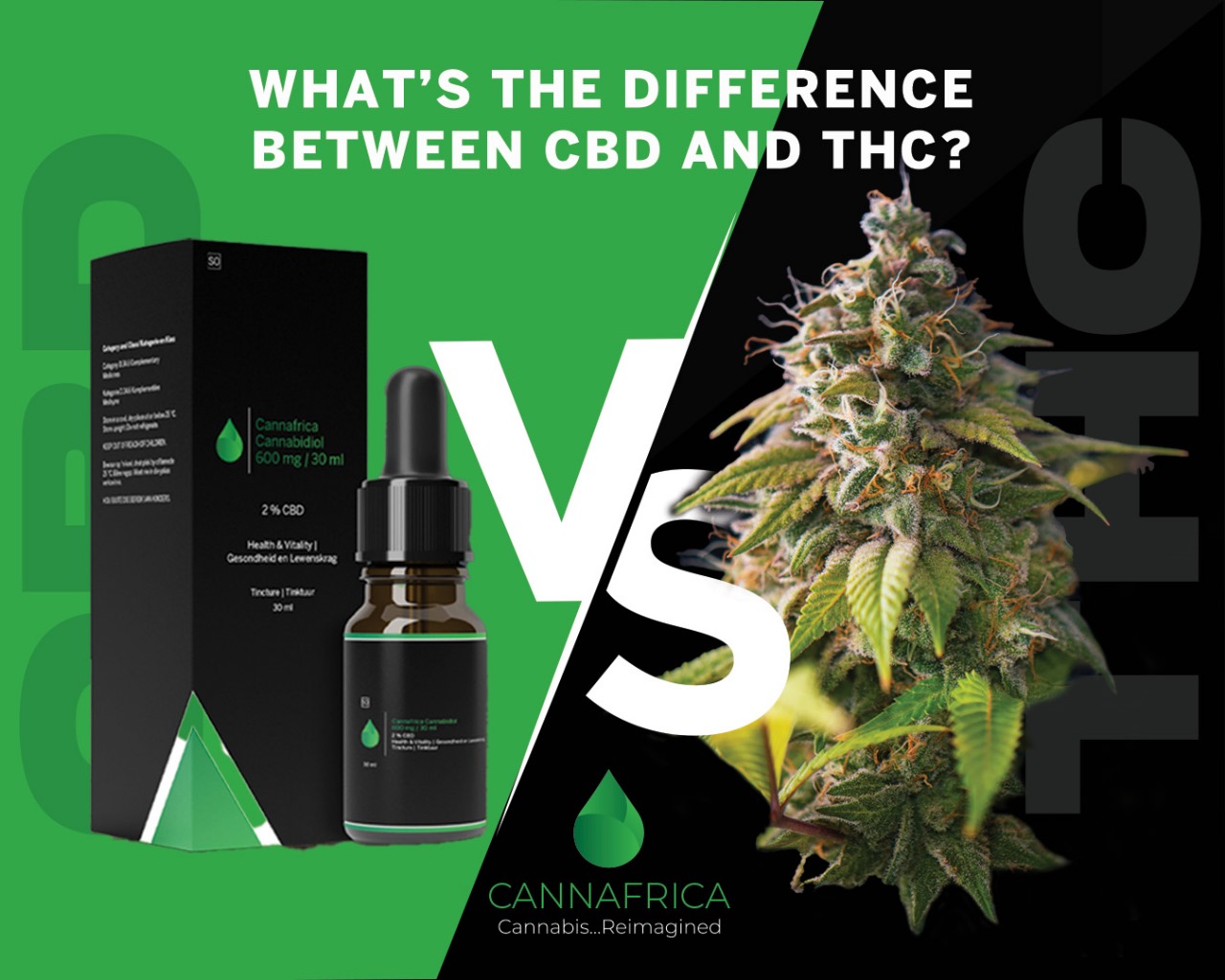
Understanding the Key Differences and Benefits
Cannabis has been used for centuries for both medicinal and recreational purposes, but not all cannabis compounds are created equal. The two most well-known cannabinoids are THC (tetrahydrocannabinol) and CBD (cannabidiol). While they come from the same plant, they offer vastly different effects and benefits. In this post, we’ll explore the key differences between THC and CBD, and how each can be used to enhance your wellness.
What is THC?
THC is the psychoactive compound in cannabis that produces the “high” sensation. It binds to cannabinoid receptors in the brain and nervous system, which leads to various effects, including euphoria, relaxation, and altered perception of time and space.
Benefits of THC:
- Pain Relief: THC is effective in alleviating chronic pain.
- Appetite Stimulation: Often used to help people with conditions like HIV/AIDS and cancer to stimulate appetite.
- Nausea Reduction: Particularly beneficial for those undergoing chemotherapy.
- Sleep Aid: Can help those with insomnia or other sleep disorders.
Potential Side Effects:
- Anxiety or paranoia in some users.
- Dry mouth and red eyes.
- Impaired memory and coordination.
What is CBD?
CBD is non-psychoactive, meaning it doesn’t produce a high. It interacts with different receptors in the endocannabinoid system, which leads to its therapeutic effects without the mind-altering effects of THC.
Benefits of CBD:
- Anti-Inflammatory: Reduces inflammation and pain.
- Anxiety Relief: Helps to reduce anxiety and stress without the psychoactive effects.
- Neuroprotective: Shows promise in protecting against neurodegenerative diseases.
- Seizure Reduction: Effective in treating certain types of epilepsy, particularly in children.
Potential Side Effects:
- Dry mouth.
- Changes in appetite or weight.
- Fatigue in some cases.
THC vs. CBD: The Key Differences
- Psychoactivity:
- THC: Produces a psychoactive high.
- CBD: Non-psychoactive, does not produce a high.
- Legal Status:
- THC: Legality varies by region and is often regulated.
- CBD: Generally more widely accepted and legal in many places, often derived from hemp.
- Medical Use:
- THC: Used for pain relief, appetite stimulation, and nausea reduction.
- CBD: Used for anxiety, inflammation, neuroprotection, and seizure control.
- Side Effects:
- THC: Can cause anxiety, paranoia, dry mouth, and impaired cognition.
- CBD: Generally well-tolerated with few side effects, mainly dry mouth and fatigue.
Combining THC and CBD
Interestingly, THC and CBD can work together synergistically, a phenomenon known as the “entourage effect.” This means that the presence of both cannabinoids can enhance their therapeutic effects. For example, CBD can mitigate some of the negative side effects of THC, such as anxiety, while still providing pain relief.
Choosing the Right Product for You
When choosing between THC and CBD, consider your goals and the effects you want to achieve:
- For Pain Relief: Both THC and CBD can be effective, but a combination of the two may provide the best results.
- For Anxiety: CBD is generally preferred due to its calming effects without the high.
- For Sleep Issues: THC may be more beneficial, especially for those with severe insomnia.
- For Inflammation: CBD’s anti-inflammatory properties make it a go-to choice.
Conclusion
Understanding the differences between THC and CBD is crucial for making informed decisions about your cannabis use. Whether you’re seeking relief from pain, anxiety, or other health issues, there’s a cannabinoid that can help. At CannAfrica, we offer a variety of THC and CBD products to suit your needs. Explore our selection and find the perfect match for your wellness journey.
Stay informed and take control of your health with the power of cannabis!